

The Evolution of Home Protection Services in the Skilled Trades
Our homes are often our most valuable assets. Protecting them goes beyond just keeping them clean. It means ensuring their safety, efficiency, and long-term health.
This guide will explore the essential services that contribute to long-term home maintenance. We will look at how different protection layers work together. These layers range from securing your property against threats to maintaining your crucial mechanical systems. Ensuring the reliability of your heating and cooling, for example, is a key part of HVAC home protection services.
We aim to show you how a holistic approach to home protection can bring peace of mind. It also helps preserve your investment for years to come.
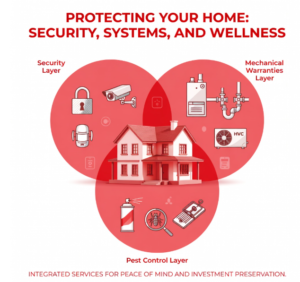
The landscape of home protection services is undergoing a significant transformation. What once operated as distinct sectors—home security, appliance repair, and maintenance—is now converging into a more integrated, smart ecosystem. This industry convergence is driven by technological advancements and a growing demand from homeowners for seamless, comprehensive solutions. Smart integration is no longer a luxury but an expectation, with systems talking to each other and providing a unified approach to safeguarding our living spaces.
We are also seeing a shift in the workforce, with a new generation, particularly Gen Z, entering the skilled trades. This demographic brings fresh perspectives and a native understanding of technology, which is crucial for adopting AI-driven diagnostics and remote service capabilities. The future of home protection services will likely feature a blend of traditional expertise and cutting-edge technology, creating a more efficient and responsive industry. For instance, comprehensive offerings that cover various aspects of home well-being, such as specialized pest control, are increasingly becoming part of a complete home protection strategy. Providers like Black Dog home protection services exemplify this broader scope, ensuring that every angle of home preservation is addressed.
Emerging home protection categories include:
- Integrated Smart Home Ecosystems: Centralized control for security, climate, lighting, and appliances.
- Predictive Maintenance: AI-powered systems that anticipate failures in HVAC, plumbing, or major appliances.
- Advanced Environmental Monitoring: Sensors for air quality, water leaks, and energy consumption.
- Cybersecurity for Smart Devices: Protecting home networks and IoT devices from digital threats.
- Personalized Emergency Response: Customized protocols for medical, fire, and intrusion emergencies.
- Modular and Scalable Security: Systems that can adapt and grow with a homeowner’s changing needs.
Integrating Security and Mechanical Home Protection Services
The modern home is increasingly equipped with Internet of Things (IoT) sensors, transforming how we monitor and protect our properties. These devices offer unprecedented levels of insight and control. For example, flood detection sensors can alert homeowners and even shut off water mains at the first sign of a leak, preventing catastrophic damage. Smart thermostats learn household routines to optimize energy usage while also integrating with security systems to adjust climate control when a home is armed or disarmed.
This integration highlights a critical shift from reactive repairs to proactive monitoring. While the average value of property stolen during residential burglaries in the United States is substantial, often reaching several thousand dollars, the costs associated with mechanical breakdowns can be equally, if not more, devastating. For instance, reports indicate that air conditioning repair or replacement can cost up to $6,000, and heating systems up to $5,600. Plumbing issues can also incur significant expenses, sometimes exceeding $2,000. These figures underscore the financial vulnerability homeowners face from both external threats and internal system failures.
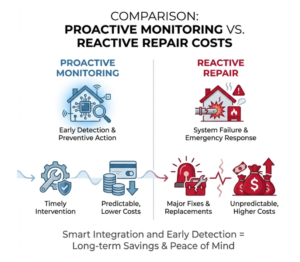
The benefit of integrating security and mechanical protection lies in this proactive approach. Instead of waiting for a pipe to burst or a furnace to fail, smart systems can often detect anomalies early, allowing for timely intervention and preventing more costly repairs or replacements.
Navigating Regulatory Changes and Tariffs in the Industry
The home protection services industry, particularly within the skilled trades, operates within a complex web of regulatory changes and economic pressures. Environmental regulations, such as those governing SEER2 (Seasonal Energy Efficiency Ratio 2) compliance for HVAC systems and refrigerant transitions, significantly impact equipment design, installation practices, and technician training. These changes often necessitate substantial investment in new tools, updated inventory, and continuous education for service professionals.
Beyond environmental mandates, the global supply chain has introduced new challenges. Trade tariffs on imported components and equipment can drive up operational overhead for service providers, which ultimately affects the cost passed on to consumers. These economic factors require businesses to constantly adapt their pricing strategies and inventory management to remain competitive. For instance, technicians must maintain specific certifications, such as those required by the EPA Section 608 for handling refrigerants, ensuring environmental responsibility and compliance. Staying abreast of these evolving regulations is not just about avoiding penalties; it’s about maintaining a reputation for quality and adherence to industry best practices.
Leveraging Extended Warranties for Operational Success
For service providers in the skilled trades, offering extended warranties is a strategic move that goes beyond simply providing additional customer assurance. It’s a powerful tool for operational success, impacting labor programs, risk mitigation, and ultimately, customer retention. By integrating extended warranties into their service offerings, businesses can create more stable labor programs, ensuring a consistent workflow for their technicians. This reduces downtime and helps retain skilled employees who value steady employment.
Extended warranties also serve as a crucial risk mitigation strategy for both the provider and the homeowner. They protect against unexpected repair costs due to normal wear and tear, covering expenses that homeowners insurance typically does not. This peace of mind is invaluable for customers and strengthens their loyalty to the service provider. For instance, a leading home warranty provider has reported paying out billions of dollars for repairs and replacements over recent years, illustrating the significant financial protection these plans offer to homeowners. This scale of support highlights the critical role warranties play in managing household budgets and ensuring mechanical reliability.
Furthermore, offering these plans can significantly improve a company’s cash flow management by providing recurring revenue streams and reducing the volatility associated with one-off repair jobs. Partnering with specialized warranty providers allows businesses to offer robust protection plans without absorbing all the financial risk themselves. This collaboration can enhance a company’s value proposition, making them a more attractive choice for homeowners seeking comprehensive and reliable home protection.
Strategic Operations for Modern Service Providers
In today’s competitive market, modern service providers in the home protection sector must adopt strategic operational approaches to thrive. This involves more than just delivering quality service; it requires a keen understanding of sales strategy, the cultivation of recurring revenue, engagement with professional organizations, adaptation to seasonal demand shifts, and a relentless focus on maximizing customer lifetime value. Businesses are increasingly leveraging data analytics to understand market trends and optimize their service delivery.
A forward-thinking sales strategy might involve bundling services, offering tiered protection plans, or providing proactive maintenance agreements that ensure continuous engagement with clients. Recurring revenue, through service contracts and extended warranties, provides financial stability and predictability. Active participation in professional organizations not only keeps businesses informed about industry best practices and regulatory changes but also fosters networking opportunities and builds credibility. Adapting to seasonal demand, such as increased HVAC service calls in summer and winter, requires flexible staffing and proactive scheduling. Every operational decision should aim to enhance the customer experience, turning one-time clients into long-term advocates and maximizing their lifetime value to the business.
Training and Certifications for High-Performance Teams
The foundation of any successful home protection service provider is a highly skilled and certified team. In the skilled trades, technical excellence is paramount, and this is achieved through rigorous training and continuous education. Certifications like NATE (North American Technician Excellence) for HVAC professionals are crucial, demonstrating a technician’s comprehensive knowledge and adherence to industry standards. Similarly, staying updated on plumbing code updates is essential for plumbing contractors to ensure safety, compliance, and efficient service delivery.
However, the industry faces a significant skilled trades gap, with a high demand for qualified professionals. To address this, companies must invest heavily in apprenticeship programs and ongoing professional development. The influence of AI on career choices, particularly among Gen Z, means that training programs must also incorporate digital skills and an understanding of smart home technologies. Continuous education is not just about mastering new techniques; it’s about cultivating a culture of learning and adaptation that keeps teams at the forefront of technological advancements and service innovation. This commitment to training ensures that high-performance teams are equipped to handle the complexities of modern home systems and deliver exceptional service.
Maximizing Revenue Through Comprehensive Home Protection Services
Maximizing revenue for home protection service providers hinges on offering comprehensive solutions that address a homeowner’s full spectrum of needs, rather than just isolated repairs. This strategy often involves implementing robust service agreements, which provide regular maintenance and preventative care, reducing the likelihood of costly breakdowns. These agreements not only generate predictable recurring revenue but also build stronger customer relationships.
Bundled protection plans are another effective way to increase revenue and customer loyalty. By combining services such as HVAC maintenance, plumbing inspections, and even appliance repair coverage into a single package, providers offer greater value and convenience to homeowners. This approach also encourages customers to invest in broader protection, knowing that their home’s critical systems are covered. Maintaining detailed maintenance records is vital, as it allows providers to track system health, anticipate future needs, and offer timely upgrades or replacements, further enhancing revenue opportunities. For example, industry surveys indicate that common plumbing repairs can cost homeowners upwards of $2,000, presenting a significant opportunity for service providers to offer protection plans that mitigate these unexpected expenses. By proactively addressing these potential costs through comprehensive plans, businesses not only safeguard their customers’ budgets but also secure their own financial growth.
Marketing to the Next Generation of Homeowners
Reaching the next generation of homeowners, particularly Gen Z, requires a nuanced and digitally-focused marketing approach. This demographic values digital transparency, authenticity, and social proof above traditional advertising. Service providers must establish a strong online presence that showcases their expertise, customer testimonials, and commitment to quality. This includes active engagement on social media platforms, where visual content and direct interaction can build community and trust.
Gen Z consumers are highly influenced by peer reviews and expert endorsements, making social proof a critical element of any marketing strategy. Businesses should encourage satisfied customers to share their experiences and leverage positive feedback to build brand authority. Educational content marketing, such as blog posts, videos, and guides on home maintenance and protection, can position a provider as a trusted resource. This not only attracts new customers but also educates them on the value of comprehensive home protection services. Furthermore, aligning with trusted industry sources, like those recognized by reputable news outlets for their trustworthiness, can significantly boost credibility. By understanding and catering to Gen Z’s consumer habits, home protection service providers can effectively build brand loyalty and secure their future customer base.