

Designing for Year-Round Outdoor Living and Home Comfort
Imagine your home’s comfort stretching beyond its walls, inviting you to relax, entertain, and connect with nature right outside your door. This vision of expanded living is at the heart of modern outdoor living and home comfort.
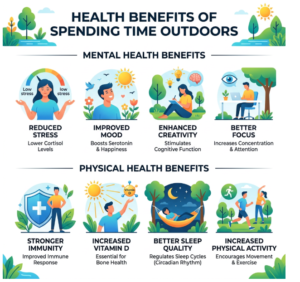
Creating thoughtful outdoor spaces offers immense benefits. Studies show that spending time outdoors can significantly improve mental and physical well-being. These areas also boost your home’s market value and provide perfect settings for family gatherings and entertaining guests.
In this extensive guide, we will explore how to transform your outdoor areas into versatile, comfortable havens. We’ll cover everything from designing for year-round use with sunrooms and patio covers, to creating seamless indoor-outdoor transitions. We’ll also look at essential features like lighting and fire pits, strategies for privacy, and vital maintenance tips. Join us as we unlock the full potential of your home’s exterior.
The dream of enjoying your outdoor space regardless of the season is more attainable than ever. Modern design and construction techniques allow us to extend our living areas beyond traditional indoor confines, creating environments that are comfortable and inviting throughout the year. The key lies in understanding how to manage climate, light, and protection from the elements.
When we talk about year-round outdoor living, we’re envisioning spaces that offer thermal regulation, abundant natural light without harsh exposure, and robust weather protection. This level of sophistication and durability often requires considerable experience and skill. For example, companies with a long-standing reputation, such as those bringing over 55 years outdoor living expertise to their projects, are adept at crafting structures that stand the test of time and climate.
The Role of Sunrooms in Climate Control
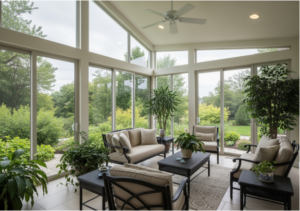
Sunrooms represent the pinnacle of climate-controlled outdoor living. These structures, characterized by their extensive use of glass, provide a sanctuary where you can enjoy the outdoors from the comfort of indoors. Imagine a cozy reading nook bathed in natural light, or a vibrant home office with panoramic views of your garden, all while being shielded from wind, rain, or extreme temperatures.
The magic of sunrooms lies in their customization options and advanced materials. Insulated glass, for instance, plays a crucial role in maintaining a stable internal temperature, keeping the space cool in summer and warm in winter. This thermal regulation ensures that your sunroom remains a usable and comfortable extension of your home, rather than a seasonal novelty. From simple conservatories to elaborate, fully integrated additions, sunrooms offer unparalleled versatility for various lifestyles and preferences.
Patio Covers for Shaded Versatility
While sunrooms offer enclosed comfort, patio covers provide an open-air solution for managing sun and weather. These structures are essential for creating shaded versatility, allowing you to enjoy your patio for longer periods and in more varied conditions.
- Lattice styles offer partial shade, creating a beautiful dappled light effect that’s perfect for enjoying a warm afternoon without direct sun exposure. They maintain an open feel, allowing breezes to pass through, and can be enhanced with climbing plants for a natural, living canopy.
- Solid covers provide complete protection from direct sunlight and rain, making them ideal for outdoor dining areas or lounge spaces where consistent shelter is desired. These can range from simple awnings to robust, permanent structures that feel like an extension of your home’s roofline.
- Insulated roofing takes solid patio covers a step further, offering enhanced thermal performance and noise reduction. This means your covered patio can stay cooler on hot days and provide a quieter retreat, making it more comfortable for relaxation or entertaining. The choice between these styles depends on your specific needs for light, shade, and weather protection, but each significantly enhances the usability and comfort of your outdoor space.
Creating Seamless Transitions and Functional Zones
The goal of modern outdoor living design is to blur the lines between your indoor and outdoor environments, making them feel like a cohesive, natural extension of your home. This seamless indoor-outdoor flow creates a more expansive and versatile living experience. Achieving this requires careful consideration of architectural cohesion, material continuity, and thoughtful spatial planning.
A well-executed transition makes moving between spaces effortless, both visually and physically. When considering the overall comfort and aesthetic of your home, integrating indoor and outdoor elements harmoniously is paramount. Expertise in this area can transform a simple backyard into a sophisticated outdoor retreat, and for those seeking exceptional results, consulting with specialists in Cedar Creek outdoor comfort can provide valuable insights and solutions.
Zoning for Multiple Functions
Just as you partition indoor spaces, zoning your outdoor areas is crucial for maximizing functionality and comfort. A well-designed outdoor space can accommodate various activities, from lively gatherings to quiet contemplation.
- Dining Areas: Positioned conveniently near the kitchen or an outdoor cooking zone, these spaces are perfect for al fresco meals. Consider ample seating, a sturdy table, and perhaps overhead lighting or a patio heater for evening use.
- Lounging and Relaxation Areas: Create inviting spots with comfortable sofas, cushioned chairs, or even hammocks. These zones are designed for unwinding, reading, or casual conversation, often featuring softer lighting and perhaps a fire pit for ambiance.
- Cooking Zones: Whether it’s a simple grill station or a fully equipped outdoor kitchen with a pizza oven, sink, and refrigerator, a dedicated cooking area elevates outdoor entertaining.
- Conversation Pits: Centered around a fire pit or a unique architectural feature, these areas encourage intimate discussions and social interaction.
- Traffic Flow: Design pathways and open spaces that naturally guide movement between these zones, preventing congestion and maintaining an open, airy feel. Thoughtful furniture placement is key to defining these areas without creating barriers.
Bridging the Gap with Design
The true art of seamless indoor-outdoor living lies in bridging the physical and visual gap between these spaces. This involves several design strategies:
- Multi-Panel Doors: Large sliding or bi-fold glass doors that completely open up a wall create an expansive opening, literally extending your interior living space into the outdoors.
- Consistent Lighting: Using similar lighting fixtures, styles, and warmth of light both indoors and out helps to unify the aesthetic.
- Color Palettes: Maintaining a consistent color scheme, or at least complementary colors, across both environments reinforces the sense of continuity.
- Structural Alignment: Aligning ceiling lines, floor levels, and architectural details between the interior and exterior creates a cohesive visual flow.
- Threshold Design: Minimizing thresholds or using flush transitions for flooring materials ensures a smooth physical passage.
To further illustrate the thoughtful selection of materials for outdoor spaces, consider the following comparison:
Material Type Characteristics Durability Maintenance Aesthetic Appeal Best Use Cases Natural Stone Elegant, varied textures, heat-retentive Very High Moderate (sealing) Classic, sophisticated, blends with nature Patios, walkways, outdoor kitchens Composite Decking Low-maintenance, splinter-free, variety of colors High Low (cleaning) Modern, clean, consistent Decks, pool surrounds, high-traffic areas Treated Wood Natural look, cost-effective, customizable Moderate High (staining/sealing) Warm, traditional, versatile Decks, pergolas, fences Concrete Pavers Durable, versatile shapes/colors, permeable options High Low (cleaning) Contemporary, structured, customizable patterns Patios, driveways, walkways Outdoor Tile Wide range of designs, easy to clean Moderate to High Low (grout cleaning) Modern, decorative, can mimic other materials Covered patios, outdoor kitchens, small balconies Essential Features for Enhanced Ambiance and Utility
Beyond the foundational structures, it’s the thoughtful inclusion of specific features that truly elevates an outdoor space from merely functional to genuinely luxurious and comfortable. These elements contribute to both the ambiance and utility, making your outdoor areas irresistible.
From the warmth of a fire pit on a cool evening to the convenience of an outdoor kitchen, these additions are designed to maximize enjoyment. Durable furnishings and weather-resistant textiles ensure longevity and comfort, while subtle touches enhance mood and relaxation.
Essential Elements of Outdoor Living and Home Comfort
Creating an inviting atmosphere outdoors relies heavily on carefully selected elements:
- Lighting: This is paramount for extending the usability of your outdoor space into the evening.
- Ambient Glow: String lights, lanterns, and strategically placed landscape lighting create a soft, inviting atmosphere.
- Task Lighting: For outdoor kitchens or dining areas, more focused lighting ensures functionality.
- LED Efficiency: Modern LED lighting is not only energy-efficient (up to 75% more efficient than traditional bulbs) but also offers a wide range of colors and smart control options, allowing you to tailor the mood with ease.
- Ceiling Fans: Essential for airflow, especially in warmer climates. A high-quality outdoor ceiling fan can create a refreshing breeze, making even humid evenings comfortable, and can also help repel insects. For those in areas like the Southwest, understanding how to optimize Phoenix living comfort often involves efficient cooling solutions like these.
- Comfortable Furnishings: Invest in plush upholstery and ergonomic designs that invite lounging. Look for furniture made with durable, weather-resistant materials that can withstand the elements.
- Fade-Resistant Fabrics: For cushions, pillows, and outdoor rugs, choosing fabrics specifically designed to resist fading from UV exposure ensures your space looks vibrant and new for years.
- Fire Pits and Outdoor Fireplaces: These serve as natural gathering points, providing warmth, light, and a captivating focal point for conversation and relaxation.
- Water Features: The gentle sound of flowing water from a fountain or pond can add a serene and tranquil element, masking unwanted noise and creating a peaceful oasis.
- Outdoor Kitchens: From simple grill stations to elaborate setups with sinks, refrigerators, and even pizza ovens, an outdoor kitchen makes entertaining effortless and enjoyable, turning cooking into a pleasure rather than a chore.
Strategies for Privacy and Element Protection
To truly relax and feel at home in your outdoor space, you need adequate privacy and protection from the elements.
- Pergolas: While primarily offering partial shade, pergolas can be enhanced with climbing vines or retractable canopies to provide more substantial cover and a sense of enclosure.
- Curtains and Drapes: Hung around covered patios or pergolas, outdoor curtains add a touch of elegance, diffuse harsh sunlight, and offer immediate privacy.
- Privacy Hedges and Screens: Tall shrubs, bamboo fencing, or decorative screens can create natural or architectural barriers, shielding your space from neighbors and creating a more intimate setting.
- Shade Sails: These tensioned fabric structures offer a modern, architectural solution for sun protection over larger areas, providing significant UV blockage.
- Wind Resistance: Strategic placement of solid walls, windbreaks, or even certain types of landscaping can mitigate strong breezes, making your outdoor areas more comfortable.
- Smart Technology: Automated awnings and retractable screens, often integrated with smart home systems, can respond to weather changes, extending or retracting as needed to provide optimal shade, privacy, or protection from rain and wind. This technology ensures maximum comfort with minimal effort.
Maintenance and Long-Term Value
Investing in outdoor living spaces is not just about immediate enjoyment; it’s also a strategic move that significantly contributes to your home’s long-term value and supports a modern lifestyle. A well-designed and maintained outdoor area enhances market appeal, offers a strong return on investment (ROI), and provides functional square footage that today’s buyers highly covet.
The key to realizing these benefits lies in selecting durable materials, ensuring structural integrity through proper installation, and committing to regular maintenance.
Maximizing Property Value through Outdoor Living and Home Comfort
Outdoor living spaces are no longer an afterthought; they are integral to modern home design and a major selling point.
- Curb Appeal: A beautifully landscaped yard with an inviting patio or deck immediately boosts your home’s curb appeal, making a strong first impression.
- Functional Square Footage: Outdoor rooms effectively extend your home’s usable area without the cost of traditional indoor additions. This “bonus space” is highly attractive to buyers.
- Buyer Demand: With an increasing emphasis on well-being and connection to nature, outdoor living areas are in high demand. Homes with attractive, functional outdoor spaces often sell faster and for higher prices.
- Sustainable Design: Incorporating elements like energy-efficient lighting, drought-tolerant landscaping, and durable, recycled materials not only benefits the environment but also appeals to eco-conscious buyers.
- High-Performance Materials: Using materials like composite decking, weather-resistant stone, and marine-grade metals ensures longevity and reduces maintenance, signaling a quality investment to potential buyers.
Winterization and Longevity
To ensure your outdoor living spaces remain beautiful and functional for years to come, proactive maintenance and proper winterization are essential. This protects your investment and extends the lifespan of materials and structures.
- Cleaning Routines: Regular cleaning prevents the buildup of dirt, mildew, and debris that can degrade surfaces over time. This includes washing furniture, sweeping decks, and cleaning patio covers.
- Moisture Prevention: Standing water is a major enemy of outdoor structures. Ensure proper drainage, clear gutters, and address any areas where water might pool.
- Protective Covers: During off-seasons or periods of non-use, covering furniture, grills, and other vulnerable items protects them from harsh weather, UV rays, and dirt.
- Structural Inspections: Periodically check decks, pergolas, and other structures for loose fasteners, rot, or damage. Addressing small issues promptly prevents them from becoming major repairs.
- Seasonal Transitions: Prepare your space for seasonal changes. This might involve bringing in delicate plants, draining water features, or adjusting smart technology settings for automated awnings.
- Wood Sealing and Staining: For natural wood elements, regular sealing or staining is crucial to protect against moisture, UV damage, and insect infestation.
- Debris Removal: Keep leaves, snow, and other debris from accumulating on patio covers and decks, as their weight can cause damage and moisture can lead to rot or mildew.
Frequently Asked Questions about Outdoor Living
How do sunrooms and patio covers improve climate control?
Sunrooms offer superior climate control through insulated glass, robust framing, and often integrated HVAC systems, allowing for precise temperature regulation regardless of outside weather. This creates a comfortable, year-round indoor environment with outdoor views. Patio covers provide climate control by offering shade, reducing direct sun exposure and heat gain. Insulated patio covers further enhance this by minimizing heat transfer, while solid covers protect against rain, extending usability in various conditions.
What are the best materials for weather-resistant outdoor furniture?
The best materials for weather-resistant outdoor furniture include aluminum (lightweight, rust-proof), wrought iron (heavy, durable, but can rust if not treated), stainless steel (corrosion-resistant, modern look), teak (naturally weather-resistant, develops a silver patina), synthetic wicker (UV-resistant, durable, often over an aluminum frame), and recycled plastics (eco-friendly, low maintenance). Choosing materials that are also fade-resistant for cushions and fabrics is crucial for longevity and appearance.
How can lighting and greenery boost well-being outdoors?
Lighting significantly boosts well-being by extending the usability of outdoor spaces into the evening, creating a sense of safety, and setting a mood. Soft, ambient lighting promotes relaxation, while task lighting enhances functionality for activities like dining. Greenery, through plants, flowers, and natural landscaping, connects us to nature, which is scientifically proven to reduce stress, improve mood, and enhance cognitive function. The presence of living plants provides visual beauty, fresh air, and a calming atmosphere, fostering a sense of peace and vitality.
Conclusion
Transforming your home’s exterior into a haven of outdoor living and home comfort is more than just a home improvement project; it’s an investment in your lifestyle, well-being, and property value. By thoughtfully designing for year-round usability with structures like sunrooms and patio covers, creating seamless indoor-outdoor transitions, and incorporating essential features like inviting lighting and functional outdoor kitchens, you unlock the full potential of your home.
We’ve explored how strategic zoning, durable materials, and smart technologies contribute to a holistic design that caters to every need. Meticulous maintenance and proper winterization are the cornerstones of ensuring your outdoor sanctuary remains beautiful and functional for decades. Embrace the future of living by extending your comfortable spaces beyond your four walls, creating a vibrant, inviting environment that truly supports a modern, sustainable lifestyle.