

The Role of Preventative Maintenance in Home Comfort
Ensuring your home’s heating and cooling systems operate efficiently and reliably isn’t just about addressing problems when they arise; it’s fundamentally about proactive care. Preventative maintenance is the cornerstone of home comfort and energy efficiency, particularly in a climate like Columbus, Ohio, where temperatures can swing dramatically. Regular seasonal tune-ups are essential for system reliability, optimizing airflow, extending component longevity, and conducting crucial safety inspections.
Think of your HVAC system as a finely tuned machine, much like a car. Just as a vehicle needs routine oil changes and tire rotations, your furnace and air conditioner require professional attention to perform at their best. During a comprehensive maintenance visit, technicians meticulously inspect all critical components. This includes checking refrigerant levels, cleaning coils, lubricating moving parts, tightening electrical connections, and inspecting the thermostat. These steps prevent minor issues from escalating into costly breakdowns, which often occur during peak demand when systems are working their hardest.
Optimized airflow is another significant benefit of regular maintenance. Over time, dust and debris can accumulate in ducts and on system components, restricting airflow and forcing your system to work harder to achieve desired temperatures. A clean system breathes easier, distributing conditioned air more effectively throughout your home. This not only enhances comfort but also directly contributes to lower energy consumption.
Furthermore, safety inspections are paramount, especially for gas furnaces. Technicians check for carbon monoxide leaks, inspect gas lines, and ensure proper ventilation, safeguarding your family from potential hazards. These checks provide invaluable peace of mind, knowing that your heating system is operating safely and efficiently.
Investing in preventative maintenance helps extend the lifespan of your HVAC equipment. A well-maintained system experiences less wear and tear, delaying the need for premature replacements and maximizing your initial investment. It’s a strategy that pays dividends in both comfort and cost savings over the long term.
Maintenance Plans for Affordable Heating and Cooling
For many Columbus homeowners, managing the upkeep of their HVAC systems can feel overwhelming. This is where comprehensive maintenance plans offer a structured and affordable solution. Top-rated residential HVAC companies in Columbus, Ohio, often provide tiered maintenance agreements designed to simplify system care and offer numerous benefits.
These plans typically include priority service, meaning plan members receive expedited scheduling, especially during busy seasons or emergency situations. This can be a huge advantage when your system unexpectedly fails during a scorching summer day or a freezing winter night. Instead of waiting in a long queue, you’ll be moved to the front.
A key feature of maintenance plans is the inclusion of multi-point inspections. These are thorough check-ups performed by certified technicians, often twice a year (once for heating, once for cooling). During these inspections, technicians perform vital tasks such as cleaning coils to ensure optimal heat transfer, lubricating all moving parts to reduce friction and wear, and replacing air filters to maintain indoor air quality and efficient airflow. These routine tasks are critical for preventing breakdowns and ensuring your system runs at peak efficiency.
Beyond the preventative aspects, maintenance plans frequently offer discounted repairs. Should a component fail despite regular care, plan members often receive a percentage off parts and labor, significantly reducing the financial impact of unexpected repairs. Some plans even waive diagnostic fees, providing further savings.
The structured nature of maintenance plans helps homeowners budget for HVAC care, spreading the cost over predictable monthly or annual payments. This eliminates the guesswork and ensures that your system receives the consistent attention it needs without sudden, large expenses. By enrolling in a maintenance plan, you’re not just buying services; you’re investing in the longevity, efficiency, and reliability of your home’s heating and cooling infrastructure, ensuring consistent comfort and potentially significant savings on energy bills and major repairs down the line.
Strategies for Affordable Heating and Cooling
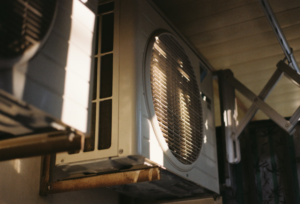
Achieving truly affordable and efficient heating and cooling in your Columbus home goes beyond simply buying new equipment; it involves a strategic approach to system selection and home optimization. One of the most critical,, strategies is proper system sizing based on precise load calculations.
Many homeowners mistakenly believe that a larger, more powerful HVAC unit is always better. However, an oversized system can be just as inefficient and uncomfortable as an undersized one. An oversized air conditioner, for example, will cool your home too quickly, cycling on and off frequently. This short-cycling prevents the system from running long enough to adequately remove humidity from the air, leaving your home feeling clammy even if the temperature is cool. It also puts undue stress on components, leading to premature wear and tear and higher energy bills. Conversely, an undersized system will struggle to keep up during extreme weather, running constantly without ever reaching the desired temperature, again leading to discomfort and high energy consumption.
This is why professional load calculations, often based on industry standards like Manual J, are indispensable. A qualified HVAC technician will assess numerous factors specific to your home, including its square footage, ceiling heights, window types and orientations, insulation levels in walls and attic, number of occupants, and even the heat-generating appliances within. This detailed analysis determines the precise BTU (British Thermal Unit) output required for both heating and cooling, ensuring the new system is perfectly matched to your home’s unique thermal characteristics.
Beyond system sizing, the integrity of your home’s ductwork plays a pivotal role in efficiency. Leaky or poorly insulated ducts can lose a significant percentage of conditioned air before it ever reaches your living spaces. Sealing and insulating ducts, especially those running through unconditioned areas like attics or crawl spaces, can dramatically improve system performance and reduce energy waste.
Finally, the overall insulation levels of your home are fundamental. A well-insulated home retains heat in winter and repels it in summer, significantly reducing the workload on your HVAC system. Upgrading attic insulation, sealing air leaks around windows and doors, and ensuring proper wall insulation are all crucial steps that work in tandem with your HVAC system to provide consistent comfort at a lower cost. When all these elements are considered together, homeowners can achieve a truly optimized and affordable heating and cooling solution.
Energy-Efficient Upgrades for Affordable Heating and Cooling
For Columbus homeowners looking to reduce their energy bills and enhance comfort, several energy-efficient upgrades offer significant long-term value. These technologies not only save money but also contribute to a more sustainable living environment.
One such upgrade is the adoption of variable-speed motors in furnaces and air handlers. Unlike traditional single-speed motors that operate at full capacity or off, variable-speed motors can adjust their output to precisely match your home’s heating and cooling needs. This allows them to run for longer periods at lower speeds, providing more consistent temperatures, better humidity control, and quieter operation, all while consuming significantly less electricity.
When considering air conditioning, looking for systems with high Seasonal Energy Efficiency Ratio (SEER) ratings is crucial. SEER measures the cooling output over a typical cooling season divided by the total electric energy input during the same period. Higher SEER ratings indicate greater energy efficiency. Similarly, for heating, systems with high Annual Fuel Utilization Efficiency (AFUE) ratings for furnaces or Heating Seasonal Performance Factor (HSPF) for heat pumps denote superior efficiency. Investing in a high-SEER or high-AFUE/HSPF unit can lead to substantial reductions in your utility bills over the system’s lifetime.
Two-stage heating and cooling systems offer another leap in efficiency and comfort. These systems have two levels of operation: a lower stage for mild weather conditions and a higher stage for more extreme temperatures. By operating primarily at the lower, more efficient stage, they provide more consistent comfort, better humidity removal, and quieter performance than single-stage units, avoiding the blasts of air associated with traditional systems.
Smart thermostats represent a modern, user-friendly upgrade that empowers homeowners to take control of their energy consumption. These devices learn your preferences, can be controlled remotely via smartphone apps, and often integrate with home automation systems. Programmable schedules allow you to set different temperatures for various times of the day, ensuring you’re only heating or cooling your home when necessary. Many smart thermostats also provide energy usage reports, helping you identify patterns and further optimize settings for maximum savings.
Finally, advanced humidity control features, often integrated into high-efficiency systems or smart thermostats, play a vital role in comfort and energy efficiency. By effectively removing excess moisture from the air in summer, your home feels cooler at higher thermostat settings, allowing you to save energy. In winter, humidifiers can add moisture, preventing dry skin and static electricity, and making the air feel warmer, potentially allowing you to lower your thermostat setting slightly. Implementing these energy-efficient upgrades is a smart investment that yields both immediate comfort benefits and long-term financial savings for Columbus homeowners.
Modern Technology and Zoned Comfort Solutions
The landscape of home heating and cooling has evolved significantly with modern technology, offering homeowners more precise control, greater efficiency, and enhanced comfort than ever before. Among the most impactful innovations are advanced heat pumps, zoned systems, and ductless mini-splits, all contributing to a more tailored approach to indoor climate control.
Heat pumps, in particular, have become a highly efficient solution for both heating and cooling. Unlike furnaces that generate heat or ACs that only cool, heat pumps transfer heat. In winter, they extract heat from the outside air (even cold air contains thermal energy) and transfer it indoors. In summer, the process reverses, moving heat from inside your home to the outdoors. Modern cold-climate heat pumps are engineered to perform exceptionally well even in Ohio’s colder temperatures, making them a viable and energy-efficient alternative to traditional furnaces and air conditioners. They offer significant energy savings, especially when replacing older, less efficient systems.
Zoned systems take comfort to the next level by allowing homeowners to control the temperature independently in different areas or “zones” of their house. This is achieved through a network of dampers within the ductwork, controlled by individual thermostats in each zone. For instance, you can keep bedrooms cooler at night while maintaining a warmer temperature in living areas during the day. This not only maximizes comfort for different preferences but also drastically reduces energy waste by not heating or cooling unoccupied spaces. It’s a highly customizable solution for homes with varying heating and cooling needs.
Ductless mini-split systems offer another versatile and efficient option, particularly for homes without existing ductwork, additions, or specific rooms that are difficult to heat or cool with a central system. These systems consist of an outdoor compressor/condenser and one or more indoor air-handling units, connected by a conduit. Each indoor unit can control the temperature of its specific zone, providing highly localized comfort. They are incredibly energy-efficient and offer both heating and cooling capabilities, making them an excellent choice for targeted climate control.
Beyond temperature regulation, modern HVAC technology also places a strong emphasis on indoor air quality (IAQ). With homes becoming more airtight for energy efficiency, proper ventilation and air purification are crucial. Advanced IAQ solutions include HEPA filtration systems that capture microscopic particles like allergens, dust, and pet dander, as well as UV-C lights that neutralize airborne pathogens. Dehumidification systems, either standalone or integrated with your HVAC unit, effectively manage indoor humidity levels, preventing mold growth and creating a more comfortable environment. These technologies collectively ensure that the air you breathe is not only at the right temperature but also clean and healthy.
Benefits of Professional System Calibration
While advanced HVAC technology offers incredible potential for comfort and efficiency, unlocking that potential fully depends on professional system calibration. This often-overlooked aspect of HVAC service ensures that all components work in harmony, maximizing performance and minimizing energy waste.
One of the primary benefits of professional calibration is thermostat accuracy. A thermostat is the brain of your HVAC system, and if it’s not accurately calibrated or properly placed, it can lead to significant inefficiencies. A professional technician will verify that your thermostat is reading temperatures correctly and is located in an optimal spot, away from direct sunlight or drafts, to ensure it accurately reflects your home’s average temperature. This prevents the system from overworking or underperforming based on skewed readings.
Sensor placement is another critical element. Modern HVAC systems often utilize multiple sensors to gather data on temperature, humidity, and even occupancy. Proper placement and calibration of these sensors allow the system to make intelligent decisions about when and how to operate, leading to more consistent temperatures and improved energy efficiency. For example, a well-placed outdoor sensor helps a heat pump optimize its defrost cycles, while indoor sensors can fine-tune airflow to specific zones.
Air balancing is a key part of calibration, particularly for ducted systems. This process involves adjusting dampers and registers throughout your ductwork to ensure that the right amount of conditioned air is delivered to each room. Without proper air balancing, some rooms might be too hot or too cold, forcing you to lower or raise the thermostat unnecessarily, thus wasting energy. Professional air balancing ensures even temperatures across your home, eliminating hot and cold spots and enhancing overall comfort.
Professional system calibration leads to significant energy waste reduction. When all components are finely tuned, your HVAC system operates at its peak efficiency, consuming less energy to achieve and maintain your desired indoor climate. This translates directly into lower utility bills. Moreover, optimized operation reduces strain on the system, contributing to its longevity and reducing the likelihood of costly breakdowns. By ensuring consistent temperatures and optimal performance, calibration is an essential step in realizing the full benefits of your modern heating and cooling investment.
Selecting a Reliable HVAC Partner in Columbus
Choosing the right residential HVAC company in Columbus, Ohio, is a critical decision that impacts your home’s comfort, energy efficiency, and your wallet for years to come. With numerous options available, knowing what criteria to prioritize can help you find a truly reliable partner.
One of the most important indicators of a company’s expertise and commitment to quality is its certifications. Look for technicians who are NATE-certified (North American Technician Excellence). NATE certification is the industry standard for HVAC technicians, signifying that they have passed rigorous, specialized exams and possess a high level of knowledge and skill in installing, maintaining, and repairing HVAC systems. This ensures you’re getting service from a highly qualified professional.
Another crucial credential is a company’s standing with the Better Business Bureau (BBB). A BBB A+ rating is a strong indicator of a company’s commitment to customer satisfaction and ethical business practices. It reflects a history of resolving customer complaints satisfactorily and operating with integrity. Additionally, always verify that the company is fully licensed and insured. Licensing ensures they meet state and local regulatory requirements, while insurance protects you from liability in case of accidents or damage during service.
Many top-rated residential HVAC companies in Columbus, Ohio, are family-owned and operated, bringing a unique set of values to their service. These companies often prioritize long-term customer relationships over quick sales, emphasizing honesty, transparent communication, and a genuine commitment to their community. They understand that their reputation is built on trust and consistent, high-quality service. For homeowners seeking a Top-rated affordable Columbus HVAC provider, these family-oriented businesses often stand out for their personalized approach and dedication.
When evaluating potential partners, inquire about their emergency services. HVAC emergencies don’t adhere to business hours, and a reliable company should offer 24/7 emergency repair services to ensure you’re never left without heating or cooling when you need it most. Furthermore, look for companies that offer strong customer satisfaction guarantees. This demonstrates their confidence in their work and their willingness to stand behind their services.
Transparent communication is also key. A reputable company will provide clear, detailed explanations of recommended services, upfront pricing, and options without any pressure for unnecessary upsells. They should be willing to answer all your questions and ensure you understand the scope of work and associated costs before proceeding. Finally, always confirm that technicians undergo thorough background checks. This ensures the safety and security of your home and family when service professionals are on your property. By focusing on these criteria, Columbus homeowners can confidently select an HVAC partner that will provide exceptional service and peace of mind.
Frequently Asked Questions About Residential HVAC
Homeowners often have questions about their heating and cooling systems. Here, we address some of the most common inquiries to help you make informed decisions about your residential HVAC needs.
How often should residential heating and cooling systems be serviced?
For optimal performance, efficiency, and longevity, we recommend having your residential heating and cooling systems serviced at least once a year. Ideally, this means a professional tune-up for your air conditioning system in the spring before the summer heat arrives, and a separate tune-up for your furnace or heating system in the fall, in preparation for winter.
These seasonal maintenance checks are crucial because they allow technicians to identify and address minor issues before they escalate into major breakdowns. They ensure all components are clean, lubricated, and functioning correctly, which helps maintain system efficiency and can significantly extend the lifespan of your equipment. Regular servicing also often includes safety inspections, such as checking for carbon monoxide leaks in furnaces, providing invaluable peace of mind. Skipping annual maintenance can lead to decreased efficiency, higher energy bills, more frequent repairs, and a shorter system lifespan.
What are the benefits of switching to a high-efficiency heat pump in Ohio?
Switching to a high-efficiency heat pump in Ohio offers several compelling benefits for homeowners. Firstly, heat pumps provide both heating and cooling in a single system, eliminating the need for separate furnace and air conditioning units. This can simplify maintenance and reduce overall equipment footprint.
Secondly, and most significantly, high-efficiency heat pumps are incredibly energy-efficient, especially when compared to traditional electric furnaces or older gas furnaces. They work by transferring heat rather than generating it, which is a much more efficient process. Modern cold-climate heat pumps are designed to perform effectively even in Ohio’s colder temperatures, offering substantial energy savings throughout the year. This translates directly into lower utility bills, particularly during peak heating and cooling seasons.
Beyond energy savings, heat pumps offer consistent and comfortable heating and cooling. They tend to provide more even temperatures throughout your home, avoiding the large temperature swings sometimes associated with other systems. Many models also offer advanced humidity control, contributing to better indoor air quality and comfort. Finally, by reducing energy consumption, heat pumps have a lower carbon footprint, making them an environmentally friendly choice for sustainable home comfort.
Why is proper system sizing more important than just choosing a powerful unit?
Proper system sizing is paramount for both comfort and efficiency, and it’s far more critical than simply opting for the most powerful unit available. An HVAC system that is too large for your home will cycle on and off frequently (short-cycling). While it might cool or heat your home quickly, it won’t run long enough to adequately remove humidity from the air in cooling mode, leading to a clammy, uncomfortable feeling even if the temperature is correct. Short-cycling also puts excessive wear and tear on components, leading to premature breakdowns and a shorter system lifespan. Furthermore, the frequent starting and stopping consume more energy than a properly sized unit running longer, more consistent cycles.
Conversely, an undersized system will struggle to keep up with demand during extreme weather, running almost continuously without ever fully achieving the desired temperature. This constant operation also leads to higher energy bills and increased wear on the equipment.
Professional sizing, typically done through a Manual J load calculation, takes into account your home’s unique characteristics—such as square footage, insulation levels, window types, and local climate—to determine the precise heating and cooling capacity required. This ensures your system operates efficiently, effectively removes humidity, provides consistent comfort, and enjoys a longer operational life, ultimately saving you money and enhancing your living environment.
Conclusion
Maintaining a comfortable and energy-efficient home in Columbus, Ohio, requires a strategic approach to your heating and cooling needs. From understanding the vital role of preventative maintenance and exploring energy-efficient upgrades to embracing modern technologies like heat pumps and zoned systems, every decision contributes to your overall home comfort and long-term savings. The key to unlocking these benefits lies in partnering with a reliable and top-rated residential HVAC company.
By prioritizing factors such as NATE certification, BBB accreditation, transparent communication, and a commitment to customer satisfaction, homeowners can confidently select a partner that not only addresses immediate needs but also provides lasting value. Proactive care, coupled with the expertise of a trusted HVAC provider, ensures your systems operate at peak efficiency, extending their lifespan and reducing your environmental footprint. Investing in a professional partnership for your HVAC needs is an investment in your home’s long-term value, your family’s comfort, and a more sustainable approach to climate control.