

We all cherish a home that feels consistently comfortable, a sanctuary where the temperature is always right, and essential services like heating, cooling, and plumbing work without a hitch. But what happens when these vital systems falter? The truth is, maintaining that ideal home environment requires proactive care and attention to your heating, air conditioning, and plumbing infrastructure.
Neglecting regular upkeep of these systems can lead to more than just discomfort. It can result in unexpected breakdowns, skyrocketing utility bills, and even pose safety risks. That’s why we emphasize the critical importance of diligent maintenance – it’s the key to protecting your investment and ensuring year-round peace of mind.
In this extensive guide, we will explore why heating and air maintenance is crucial for your home’s health and your family’s comfort. We’ll cover everything from seasonal tune-ups and professional checklists to essential DIY tasks and troubleshooting common issues. Our aim is to equip you with the knowledge to maintain peak system performance, enhance energy efficiency, and extend the lifespan of your equipment. For truly reliable and Expert HVAC comfort maintenance, understanding these principles is the first step towards a perfectly comfortable home.
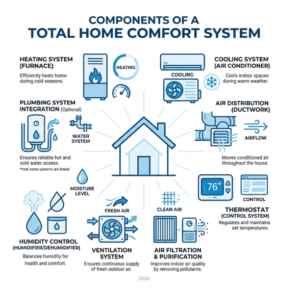
A comfortable home isn’t just about having a working furnace or air conditioner; it’s about a holistic approach to energy efficiency, equipment longevity, and consistent performance. Regular heating and air maintenance forms the bedrock of this approach, ensuring your systems operate at their best, year after year.
One of the primary benefits of consistent maintenance is enhanced energy efficiency. Over time, dust, debris, and wear can cause your HVAC system to work harder than necessary, consuming more energy to achieve the desired temperature. By keeping components clean and calibrated, maintenance helps your system run efficiently, directly translating into lower utility bills. In fact, studies show that regular HVAC maintenance can reduce energy costs by up to 15% due to improved airflow from cleaning and adjusting blower components. This not only saves you money but also reduces your home’s carbon footprint, contributing to a more sustainable lifestyle.
Beyond energy savings, preventative care significantly extends the lifespan of your heating and cooling equipment. HVAC systems are substantial investments, designed to last 10-15 years with proper care. Routine upkeep prevents early failure by addressing minor issues before they escalate into major, costly repairs. Think of it like regular oil changes for your car – a small, consistent investment protects a much larger one. This proactive approach ensures system reliability, minimizing the inconvenience and expense of unexpected breakdowns. When your system is well-maintained, it performs optimally, providing consistent heating and cooling without undue strain on its components.
Seasonal Timing for Optimal Home Comfort
Timing is everything when it comes to HVAC maintenance. To ensure your systems are ready to perform under peak demand, we recommend a biannual maintenance schedule. This means a dedicated tune-up for your air conditioning system in the spring and for your furnace or heating system in the fall.
Spring air conditioning prep typically occurs in late winter or early spring, before the summer heat arrives. This allows technicians to inspect, clean, and tune your AC unit, ensuring it’s ready for the cooling season. Similarly, fall furnace tune-ups should be scheduled in early fall, well before the colder months set in. This pre-season inspection ensures your heating system is safe and efficient for winter. Scheduling these appointments during the shoulder seasons allows you to avoid the rush when contractors are busiest, ensuring more flexible scheduling and potentially faster service. As ENERGY STAR suggests, performing these check-ups around daylight saving time changes can be a helpful reminder. For more detailed guidance, the U.S. Department of Energy provides comprehensive resources on Air Conditioner Maintenance, emphasizing the importance of timely care.
Enhancing Indoor Air Quality and Home Comfort
Your HVAC system does more than just control temperature; it plays a crucial role in the air you breathe every day. Proper maintenance is key to enhancing indoor air quality (IAQ) and overall home comfort.
A critical aspect of IAQ is air filtration. Your system’s air filter traps dust, pollen, pet dander, and other airborne particulates. Regular replacement or cleaning of these filters is paramount. A dirty air filter can not only increase energy costs but also damage equipment. Filters generally need replacement every 1-3 months, with higher-rated filters (up to 16 MERV) capturing more contaminants. However, it’s important to ensure your system can handle higher MERV filters, as they can sometimes reduce efficiency if not properly matched. Beyond filtration, maintenance addresses humidity regulation, which is vital for comfort and preventing mold growth. Technicians also check for proper ventilation, ensuring fresh air circulation and reducing allergen buildup. Duct integrity is another factor; sealed and clean ducts prevent contaminants from entering your airflow and ensure conditioned air reaches its destination efficiently. By optimizing these elements, regular maintenance significantly contributes to a healthier living environment and improved respiratory health for your household.
Professional HVAC Maintenance Checklists and Safety Protocols
When it comes to the intricate workings of your heating and air systems, professional maintenance is indispensable. Our certified technicians follow comprehensive checklists designed to ensure every component operates safely and efficiently.
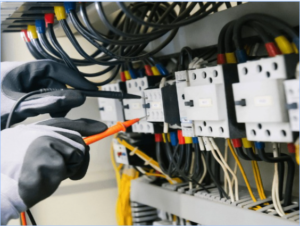
A professional HVAC maintenance visit typically includes a thorough inspection and tune-up of various parts. For cooling systems, this often involves checking refrigerant charge, cleaning the evaporator and condenser coils, and inspecting the condensate drain for clogs. The U.S. Department of Energy’s guide on Air Conditioner Maintenance highlights these tasks as crucial for efficient operation. For heating systems, especially furnaces, technicians focus on gas pressure calibration, inspecting the heat exchanger for cracks (which could lead to carbon monoxide leaks), and testing for proper burner combustion. Safety is paramount, with checks for gas leaks and carbon monoxide testing being standard practice.
We’ve outlined some key differences between heating and cooling season maintenance tasks in the table below:
Task Category Heating Season Maintenance (Fall) Cooling Season Maintenance (Spring) Safety Checks Gas leak detection, carbon monoxide testing, heat exchanger inspection Electrical safety, refrigerant pressure, condensate drain Component Cleaning Burners, flame sensor, pilot light, flue pipe Evaporator coil, condenser coil, condensate pan Performance Checks Gas pressure, ignition system, temperature rise, thermostat calibration Refrigerant levels, airflow, fan motor, thermostat accuracy Electrical Electrical connections, wiring, motor amperage Electrical connections, wiring, compressor, capacitor Airflow Blower motor and wheel, ductwork inspection, filter replacement Blower motor and wheel, ductwork inspection, filter replacement Lubrication Blower motor bearings, other moving parts Fan motor bearings, other moving parts Beyond these seasonal specifics, general tasks like electrical terminal inspection, motor lubrication, and sensor accuracy checks are performed to ensure overall system health. For a comprehensive overview of what a professional tune-up entails, Carrier’s detailed guide to Annual HVAC Maintenance provides excellent insights into the value of these services. Regular professional maintenance of your Heating Maintenance and AC Maintenance systems is not just about comfort; it’s about safety and protecting your home.
Proactive Strategies to Prevent Emergency Repairs
No homeowner wants to face an emergency HVAC breakdown, especially during extreme weather. The good news is that many such emergencies are preventable through proactive maintenance. By addressing minor issues early, we can significantly reduce the risk of costly repairs and inconvenient outages.
One of the most effective strategies is to pay attention to common HVAC warning signs. Your system often communicates its needs before a complete failure. Here’s a list of indicators that your HVAC system may need attention:
- Unusual Noises: Grinding, squealing, banging, or rattling sounds can indicate worn-out parts, loose components, or issues with motors.
- Strange Odors: A burning smell might suggest electrical issues, while a musty smell could point to mold in the ducts or condensate drain. A rotten egg smell, especially near a furnace, could signal a dangerous gas leak.
- Short Cycling: If your system turns on and off frequently without completing a full heating or cooling cycle, it could be a sign of an improperly sized unit, a clogged filter, or a refrigerant leak.
- Inconsistent Temperatures: Hot and cold spots in your home suggest airflow problems, thermostat issues, or system inefficiencies.
- Rising Energy Bills: A sudden, unexplained increase in your utility bills often indicates your system is working harder than it should to maintain comfort.
Ignoring these signs can lead to escalating problems. For instance, a minor refrigerant leak, if left unaddressed, can lead to compressor failure – a very expensive AC Repair or even replacement. Similarly, neglecting a strange noise in your furnace could result in a complete Furnace Repair or breakdown. Regular maintenance allows technicians to catch these issues during their nascent stages, performing necessary adjustments or small repairs before they develop into major system failures. This approach not only prevents emergency breakdowns but also leads to long-term financial savings by avoiding expensive, reactive repairs. For insights into ensuring consistent heat during colder months, our article on Winter HVAC Maintenance for Consistent Heat offers valuable preventative tips.
Homeowner Responsibilities and DIY Maintenance
While professional maintenance is crucial, there are several simple yet effective DIY tasks homeowners can perform to contribute to their HVAC system’s health and efficiency. These tasks are generally low-risk and can make a big difference in maintaining performance between professional visits.
The most important DIY task is regular air filter replacement. A dirty air filter is a leading cause of HVAC inefficiency and breakdowns. We recommend checking your filter monthly and replacing it every 1-3 months, or more frequently if you have pets, allergies, or live in a dusty environment. Replacing a pleated air filter is straightforward and significantly improves airflow and indoor air quality.
Other essential DIY steps include:
- Debris Removal: Keep the area around your outdoor condenser unit clear of leaves, grass clippings, dirt, and other debris. Ensure there’s at least two feet of clearance around the unit to allow for proper airflow.
- Vent Unobstructed Airflow: Check all indoor supply and return vents to ensure they are not blocked by furniture, curtains, or rugs. Obstructed vents restrict airflow, forcing your system to work harder.
- Thermostat Battery Checks: If your thermostat uses batteries, check and replace them annually, or whenever the low battery indicator appears. This prevents unexpected system shutdowns due to a dead thermostat.
- Visual Inspections: Periodically visually inspect your indoor and outdoor units for any obvious signs of damage, leaks, or unusual wear.
- Basic Troubleshooting: Familiarize yourself with your system’s basic operation and troubleshooting guide. Sometimes, resetting a breaker or checking the thermostat settings can resolve minor issues.
By consistently performing these simple tasks, you can help maintain your system’s efficiency, improve indoor air quality, and potentially identify problems early, complementing the work of professional technicians. Carrier’s guide on Annual HVAC Maintenance also provides practical DIY tips to empower homeowners.
Frequently Asked Questions about Heating and Air Maintenance
We understand that homeowners often have questions about the practicalities of HVAC maintenance. Here, we address some of the most common inquiries to provide clarity and guidance.
How much does professional HVAC maintenance typically cost?
The cost of professional HVAC maintenance can vary based on your location, the type of system you have, and the extent of the service. Generally, a standard inspection and tune-up for a single system (heating or cooling) might range from $75 to $200. However, many service providers, like those mentioned by Service Experts, offer maintenance membership plans. These plans often provide significant value, including discounted service calls, priority scheduling, diagnostic fee waivers, and discounts on repairs or new equipment. For example, some plans might offer an HVAC Precision Tune-Up for a reduced rate as part of a membership. Investing in a Maintenance Plans or Membership can be a cost-effective way to ensure consistent care for your system while budgeting for future needs.
Can regular maintenance really lower monthly utility bills?
Absolutely. This is one of the most compelling reasons for consistent HVAC maintenance. As mentioned earlier, a well-maintained system operates more efficiently, consuming less energy to achieve the same heating or cooling effect. Dirty coils, for instance, reduce the system’s ability to cool or heat efficiently, causing longer run times and higher energy costs. By cleaning coils, lubricating moving parts to reduce friction, and optimizing airflow, maintenance ensures your system doesn’t have to overwork. The U.S. Department of Energy emphasizes that neglecting maintenance leads to a decline in performance and increased energy use. With potential energy savings of up to 15%, the cost of annual maintenance can often be recouped through reduced utility bills, making it a wise financial decision.
When should I hire a professional instead of performing DIY tasks?
Knowing when to call a professional is crucial for both the safety of your home and the integrity of your HVAC system. While DIY tasks like filter changes and outdoor unit cleaning are encouraged, anything involving the system’s internal components, refrigerants, or electrical systems should be left to certified technicians.
Here’s when to definitely hire a professional:
- Technical Complexity: Tasks like checking refrigerant charge, calibrating gas pressure, inspecting heat exchangers, or diagnosing complex electrical issues require specialized knowledge and tools.
- Refrigerant Handling: Refrigerants are chemicals that must be handled and disposed of properly. Only licensed technicians are equipped to test for leaks, capture evacuated refrigerant, or recharge a system.
- Electrical Safety: Working with high-voltage electrical components in your HVAC system can be extremely dangerous. Professionals are trained to safely inspect and repair these parts.
- Warranty Compliance: Many HVAC manufacturers require professional annual maintenance to keep your warranty valid. Attempting complex repairs yourself could void your warranty.
- Specialized Tool Requirements: Professionals use diagnostic tools that are not typically available to homeowners, allowing for precise measurements and problem identification.
- Licensed Technician Selection: Always choose a licensed, bonded, and insured HVAC technician. This ensures they have the necessary qualifications and that you are protected in case of accidents or errors.
For any task beyond basic cleaning and visual inspection, or if you’re unsure, it’s always best to consult with a qualified HVAC professional. They have the expertise to ensure your system runs safely and efficiently.
Conclusion
In conclusion, investing in regular heating and air maintenance is not merely an expense; it’s a strategic investment in your home’s comfort, efficiency, and safety. From extending system longevity and ensuring optimal performance to significantly lowering utility bills and enhancing indoor air quality, the benefits are clear and substantial. Consistent maintenance provides peace of mind, protecting your substantial investment in heating and cooling equipment and helping you avoid unexpected, costly emergency repairs.
By partnering with professionals for biannual tune-ups and diligently performing simple DIY tasks, you ensure consistent climate control year-round. This proactive approach not only keeps your home comfortable but also retains its value and contributes to a healthier living environment for everyone under your roof. Don’t wait for a breakdown to realize the importance of upkeep. Take control of your home comfort today. For comprehensive solutions and to explore maintenance plans tailored to your needs, visit our dedicated services page.